

What "sushi grade" actually means
When you set out to buy sushi grade fish, the first thing to understand is that "sushi grade" is not an official USDA classification. There is no federal standard or government agency that certifies fish as safe for raw consumption under this specific label. Instead, it is a marketing term used by suppliers and retailers to indicate that the product has been handled and treated to meet general safety expectations for raw eating.
The real safety requirement centers on parasite destruction. Health authorities, including the FDA, recommend that fish intended for raw consumption be frozen at specific temperatures for set periods to kill potential parasites like anisakis. This process, often called flash-freezing, is what truly makes fish safe for sashimi or sushi. Look for terms like "parasite-free" or "sashimi grade" on packaging, which usually signal that this critical freezing step has been completed.
Because the term is unregulated, the burden of safety falls on the supply chain. Reputable suppliers and fishmongers follow these freezing guidelines rigorously. When you buy sushi grade fish from a trusted source, you are relying on their adherence to these freezing protocols rather than a government seal. Always ask your fishmonger about the freezing history of the product to ensure it has been treated properly for raw consumption.
Order from specialized online seafood vendors
Buying sushi grade fish online removes the guesswork from sourcing. Specialty vendors handle the freezing, slicing, and packaging required for safe raw consumption, ensuring the product arrives fresh and compliant with safety standards. This is often more reliable than hunting for specific cuts at a local supermarket.
When you buy sushi grade fish from these direct-to-consumer vendors, you are paying for their quality control protocols. These companies often import directly from fisheries in places like Iceland or Hawaii, where strict regulations govern parasite destruction. They also provide detailed origin information and handling instructions that generic grocery stores rarely offer.
Look for vendors that explicitly state their freezing protocols. The FDA requires fish intended for raw consumption to be frozen at specific temperatures to kill parasites. Reputable online sellers will detail this process on their product pages or FAQ sections. If a vendor cannot explain how they handle parasite control, do not buy from them.
Many of these vendors also offer pre-sliced sashimi cuts, which saves time and ensures uniform thickness for your dishes. While prices are higher than standard retail, the consistency and safety guarantees make it worth the investment for home chefs.
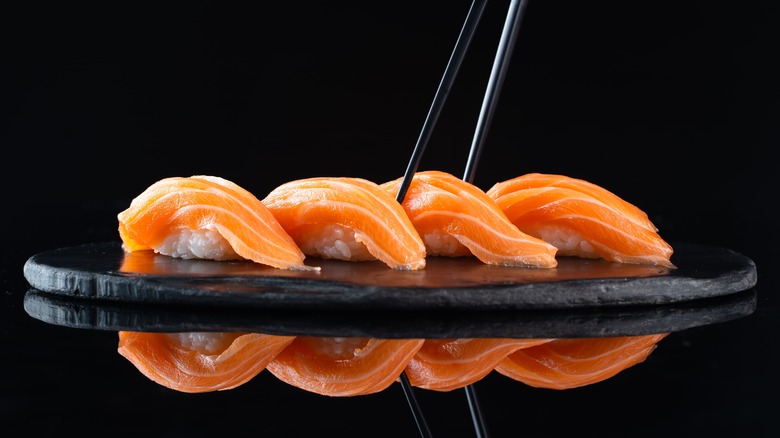
![[5 lb Total] Norwegian Antibiotic-Free Sashimi-Grade Skinless Atlantic Salmon – 16 Individually Frozen 5 oz Portions | Boneless Premium Fillets for Sashimi, Sushi, Poke & Grill | Ships Frozen in Insulated Box with Ice Pack](https://m.media-amazon.com/images/I/61-BzFrx4XL._AC_UL960_QL65_.jpg)


As an Amazon Associate, we may earn from qualifying purchases.
Check local grocery stores and markets
Sushi Grade Fish works best as a clear sequence: define the constraint, compare the realistic options, test the tradeoff, and choose the path with the fewest hidden costs. That order keeps the advice usable instead of decorative. After each step, pause long enough to check whether the recommendation still fits the reader's actual situation. If it depends on perfect timing, unusual access, or a best-case budget, include a simpler fallback.
The simplest way to use this section is to verify the seller, compare the total cost, and resolve the biggest risk before you commit.
Inspect the fish before you cook it
You can buy sushi grade fish from reputable sources, but your final responsibility is verifying its condition. Visual and olfactory checks are the only reliable way to confirm the fish is fresh enough for raw consumption. Follow this sequence to inspect the product before you commit to the purchase.
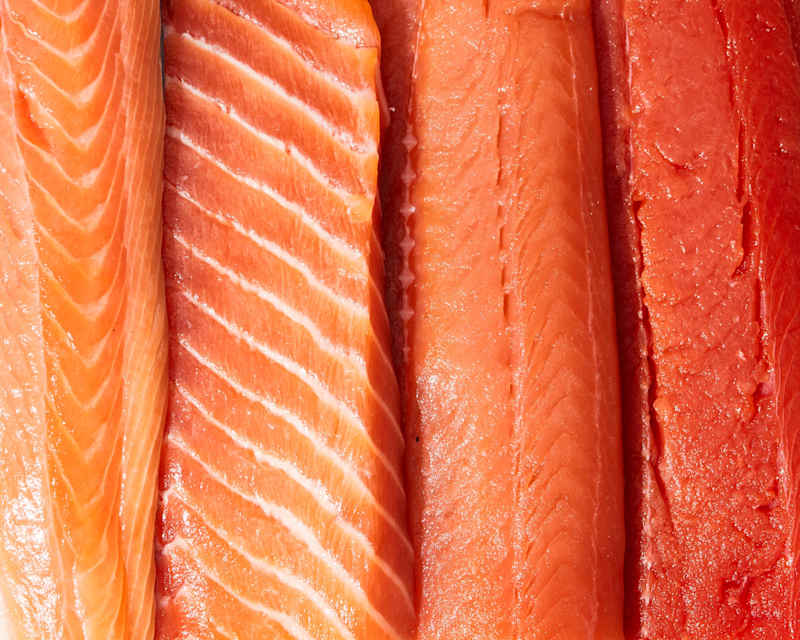
Look at the eyes of whole fish first. They should be clear, bright, and slightly bulging. Cloudy, sunken, or milky eyes indicate the fish has been sitting on ice too long or is no longer fresh.
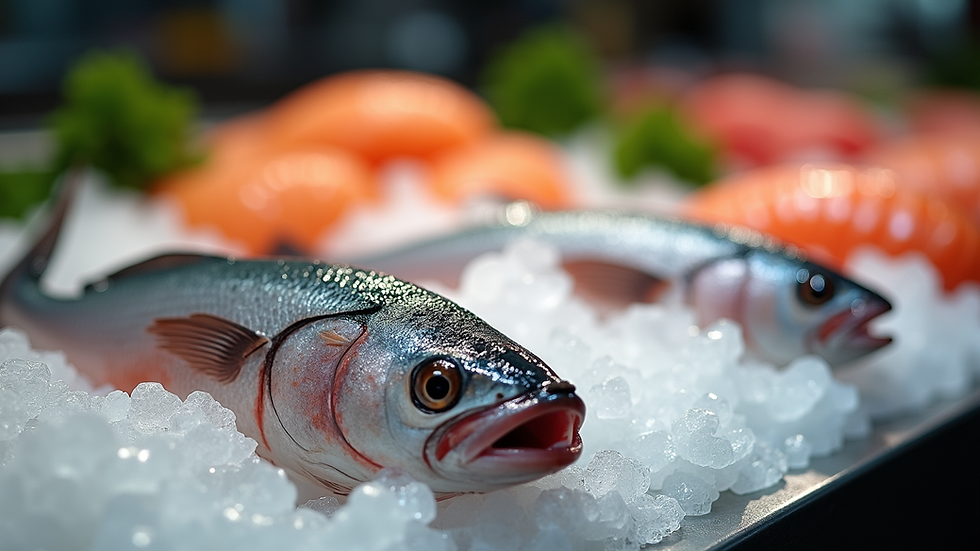
Lift the gill cover and inspect the color. Fresh gills are bright red or pink and moist. Avoid fish with brown, gray, or slimy gills, as this discoloration signals bacterial growth and age.
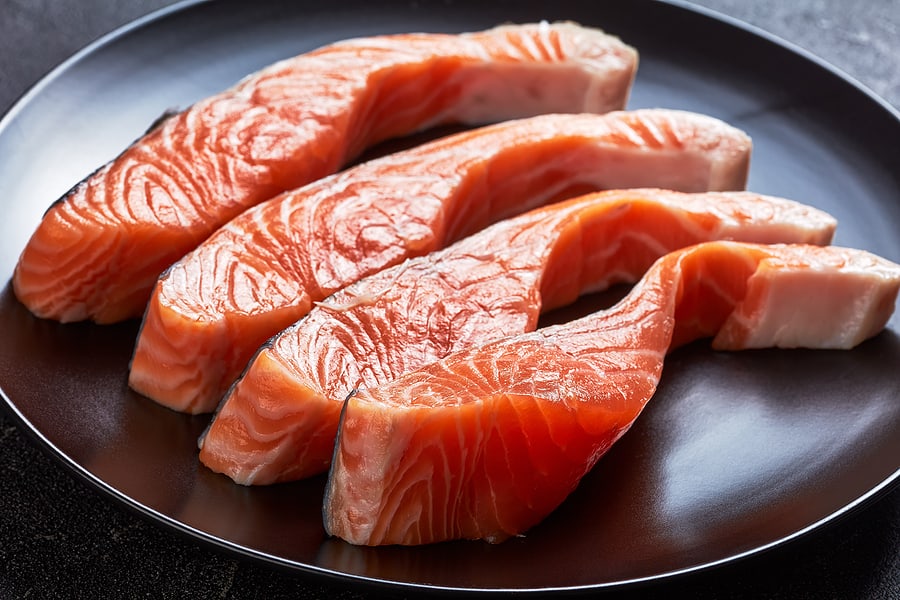
Press your finger gently against the flesh. High-quality fish will spring back immediately. If the indentation remains, the tissue is breaking down. The surface should also be shiny and moist, not dry or dull.
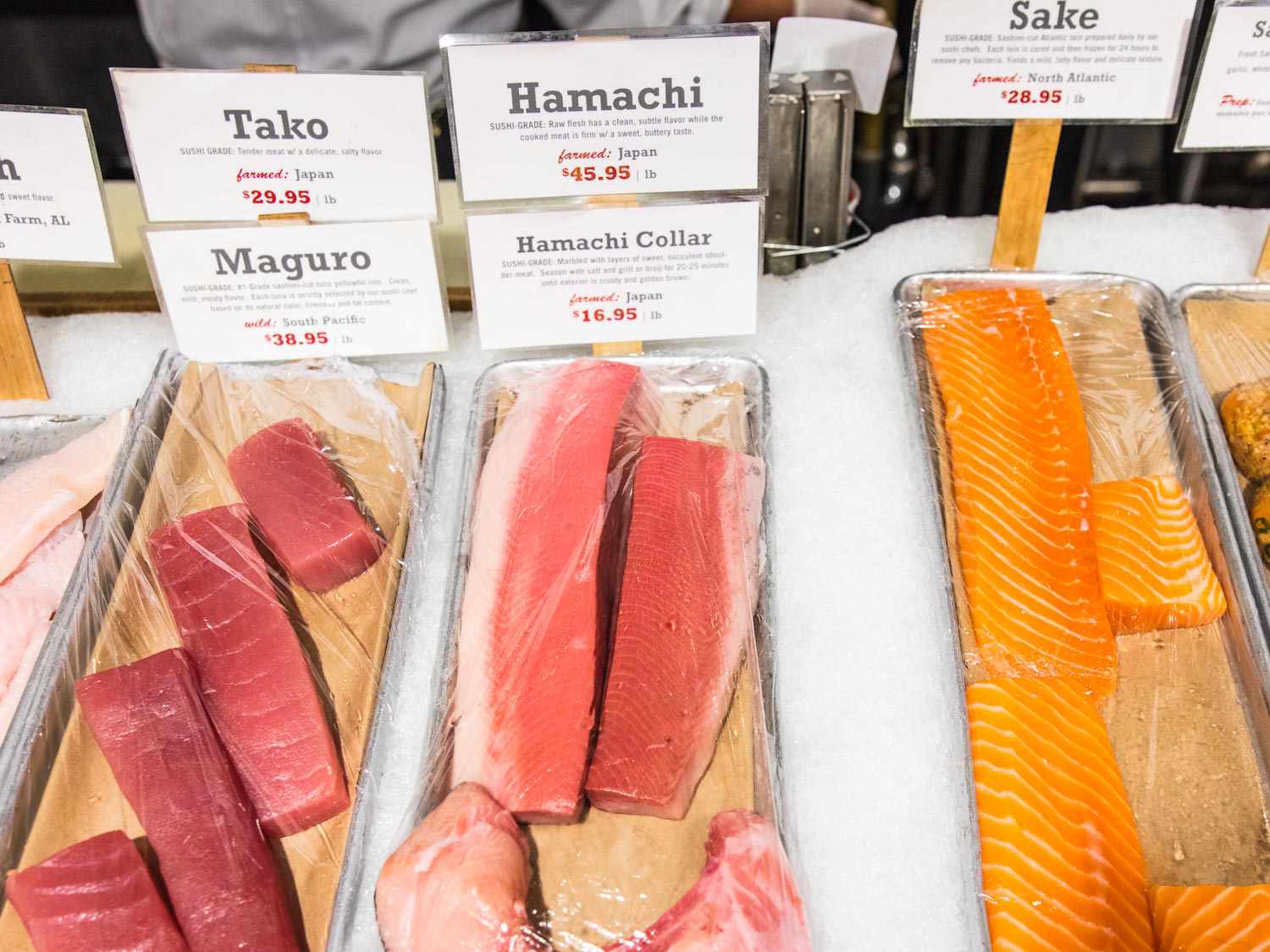
Sushi grade fish should have a clean, mild ocean scent. If you detect a strong fishy odor or any hint of ammonia, the fish is spoiling. Trust your nose; a bad smell is an immediate dealbreaker.
If buying pre-packaged fillets, check for excessive liquid or blood in the container. While some moisture is normal, a pool of cloudy liquid suggests the fish has thawed and refrozen or is deteriorating.
A quick checklist for verifying fish freshness:
- Clear, bright eyes
- Bright red or pink gills
- Firm flesh that springs back
- Clean, mild ocean scent
- No excessive liquid in packaging
Skip any fish that fails these visual and olfactory tests. Freshness is the foundation of safety when you buy sushi grade fish for homemade meals.
Common questions about buying sushi grade fish
Finding safe, raw-ready seafood often raises practical questions about where to look and what to expect. The following answers address the most frequent doubts regarding grocery availability and safety standards.
Can you buy sushi grade fish at the grocery store?
Most standard grocery stores do not sell fish labeled "sushi grade." The term itself is not a regulated USDA or FDA classification, so stores rarely use it on packaging. Instead, you should look for fish labeled "sashimi grade" or ask the fishmonger specifically for fish intended for raw consumption. Even then, availability is inconsistent and depends on the store's supply chain and turnover rate.
Can grocery store fish be used for sushi?
Technically, yes, but only if you follow strict safety protocols. Most grocery fish is flash-frozen to kill parasites, which meets the FDA's safety guidelines for raw consumption. However, the texture and flavor may suffer due to repeated thawing and refreezing during transport. If you buy from a supermarket, ensure the fish smells fresh and has been stored at a consistent, cold temperature.
Does Trader Joe's carry sushi grade fish?
Trader Joe's is a popular option for home sushi makers because they often label their salmon and tuna as "sashimi grade." They source their seafood from suppliers who adhere to FDA freezing standards for parasite control. While selection varies by location and season, many home cooks find their pre-portioned packs convenient and safe for making rolls at home.
Can you buy sushi grade fish at Costco?
Costco frequently carries sushi-grade salmon and tuna, often in large quantities. Like Trader Joe's, they typically label this fish as "sashimi grade" and ensure it has been processed to kill parasites. The key advantage is volume and price, but you must verify the label states it is safe for raw consumption before purchasing. Always check the sell-by date to ensure maximum freshness.
No comments yet. Be the first to share your thoughts!