

Start with the right sushi rice
Every type of sushi in this guide depends on sumeshi—seasoned sushi rice. Without properly cooked and flavored rice, even the freshest fish or vegetables fall flat. The rice acts as the foundation, balancing acidity, salt, and slight sweetness to complement the toppings.
Follow these steps to prepare rice that holds its shape and delivers the right texture for rolling or serving.
5 Essential Types to Master at Home
Mastering sushi at home begins with perfecting your rice before diving into these five essential types. This ultimate sushi guide breaks down each variety with clear, actionable steps so you can confidently prepare restaurant-quality rolls in your own kitchen.
-

Nigiri: classic hand-pressed fish on rice
Nigiri represents the purest expression of sushi, featuring a slice of fresh fish draped over a small, hand-pressed mound of vinegared rice. Master this technique by warming your hands slightly to shape the rice without crushing it. The goal is a loose yet cohesive structure that melts on the tongue, allowing the fish’s natural texture and flavor to take center stage without distraction. -
Maki: traditional seaweed rolled sushi
Maki sushi involves spreading rice and fillings onto a sheet of nori seaweed, then rolling it tightly using a bamboo mat. This method creates uniform, cylindrical pieces that are easy to eat with chopsticks. Keep the roll tight to prevent ingredients from falling out, and slice with a sharp, wet blade to ensure clean cuts that maintain the structural integrity of each piece. -
:max_bytes(150000):strip_icc()/Simply-Recipes-Chirashi-Bowl-LEAD-05-c900a3a166d54508a5c629ab7af8dca9.jpg)
Chirashi: vibrant scattered bowl style
Chirashi offers a colorful, less structured approach by scattering sashimi-grade fish and vegetables over a bowl of seasoned sushi rice. This style is forgiving for beginners, as precise shaping is unnecessary. Focus on arranging ingredients by color and texture for visual appeal. It serves as an excellent way to use various leftovers while maintaining the authentic taste profile of a proper sushi meal. -
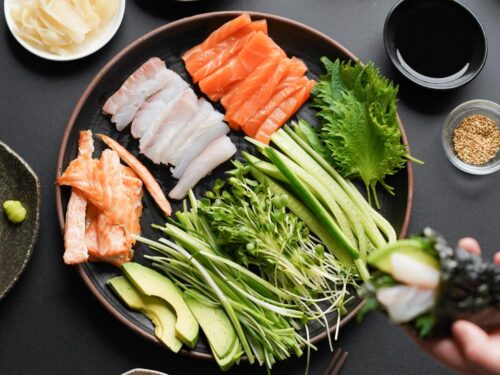
Temaki: handheld cone-shaped seaweed rolls
Temaki, or hand rolls, are cone-shaped sushi wrapped in nori and filled with rice and ingredients like fish or cucumber. Unlike maki, these are eaten immediately by hand to keep the seaweed crisp. The open-ended cone design allows for creative, asymmetrical fillings. It is a fun, interactive way to enjoy sushi, perfect for casual gatherings where formal presentation is less critical. -
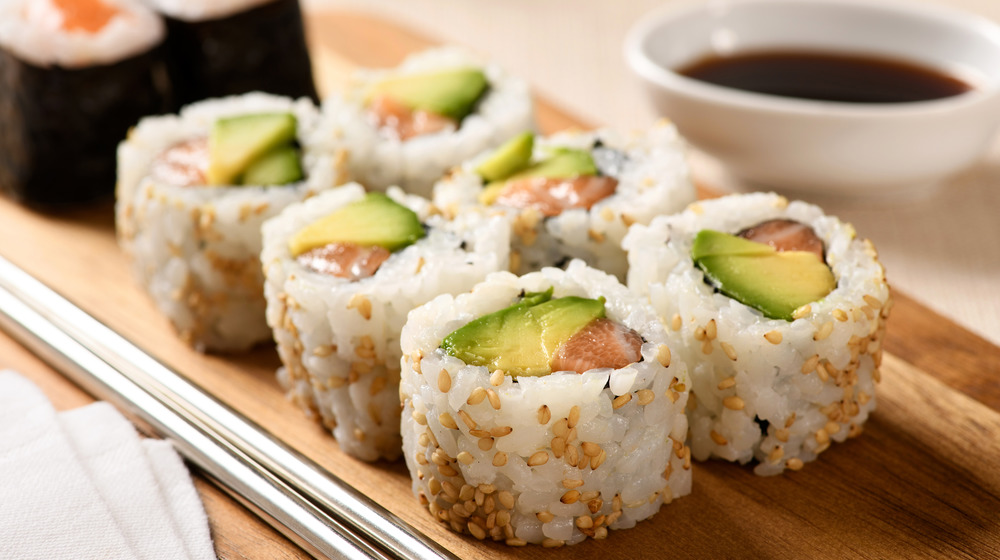
Uramaki: inside-out rice wrapped rolls
Uramaki flips the traditional maki structure, placing rice on the outside and nori on the inside. This style often features toppings like tobiko or avocado, appealing to those new to sushi. To prevent sticking, wet your hands and the mat when rolling. The exterior rice provides a softer texture contrast to the crisp nori and fresh fillings inside, creating a unique eating experience.
Serving and Eating Etiquette
Respecting the craft of sushi begins with how you handle the food. The goal is to appreciate the chef’s balance of flavors without overpowering the delicate fish or rice. This etiquette is not about rigid rules, but about showing appreciation for the ingredients.
Dipping Correctly
When eating nigiri, turn the piece upside down so the fish touches the soy sauce, not the rice. This prevents the rice from absorbing too much salt and falling apart. For sashimi, dip the edge of the fish lightly. Never soak your sushi; it dilutes the flavor and ruins the texture.
Ginger and Wasabi
Ginger is a palate cleanser, not a garnish to eat with every bite. Place a small piece between courses to reset your taste buds. Wasabi should be used sparingly. If the chef has already applied it, add more only if you prefer extra heat. Mixing wasabi into the soy sauce creates a muddy dip that obscures the fish’s natural flavor.
Pairing and Pace
Sushi pairs well with green tea or sake, which complement the rice’s acidity. Eat sushi in one bite whenever possible to experience the intended texture and temperature contrast. Take your time; rushing through the meal defeats the purpose of savoring each piece in your ultimate sushi guide journey.
Common sushi questions answered
Put Mastering the Art of Sushi Making into practice
No comments yet. Be the first to share your thoughts!