

Beyond Seaweed: The 2026 Vegan Sushi Revolution
Plant-based sushi is no longer the niche offering it once was. What started as a few cucumber rolls on a menu has blossomed into a full-fledged culinary movement. Consumers are increasingly seeking sustainable and ethical food choices, and that demand is driving incredible innovation in the kitchen. It’s a shift that’s benefiting both our planet and our palates.
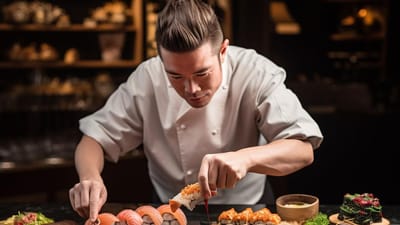
In 2026, we're seeing a remarkable surge in the quality and variety of vegan sushi available. Chefs are moving beyond simply replacing fish; they’re reimagining sushi entirely, focusing on the inherent flavors and textures of plant-based ingredients. This isn’t about compromise anymore—it’s about exploring new possibilities.
The availability of high-quality ingredients is a major factor in this revolution. Cultivated mushrooms, expertly marinated vegetables, and innovative plant-based proteins are becoming increasingly accessible. This allows both home cooks and professional chefs to create stunningly realistic and delicious vegan sushi. It’s a good time to be interested in plant-based cuisine.
Historically, vegan sushi was often seen as a pale imitation of the real thing. But that perception is rapidly changing. The environmental benefits of choosing plant-based options—reducing overfishing and protecting marine ecosystems—are also becoming more widely recognized. I think that consideration is becoming increasingly important to diners.
Nigiri Reimagined: Plant-Based 'Fish' Alternatives
The biggest challenge in creating vegan nigiri is, of course, replicating the texture and flavor of fish. Fortunately, chefs have developed some remarkably effective substitutes. Marinated tomatoes, particularly heirloom varieties, are a popular choice for mimicking tuna, offering a similar color and a surprisingly meaty texture. The key is a long marination in a blend of soy sauce, sesame oil, and nori flakes.
King oyster mushrooms, when sliced and seared, make a fantastic scallop substitute. Their firm texture and mild flavor absorb marinades beautifully. Eggplant, roasted until tender and then glazed with a sweet and savory sauce, can convincingly stand in for eel. Hearts of palm, shredded and seasoned, provide a flaky texture that mimics crab meat. These aren't perfect replicas, but they offer a satisfying alternative.
Preparation techniques are crucial. Marinating is essential for infusing flavor and achieving the right color. Smoking, using wood chips like applewood or hickory, adds depth and complexity. Texturizing, through techniques like scoring or slicing, can create the illusion of flakiness. I’ve found that a quick sear can really elevate the texture of the mushroom "scallops".
Achieving authentic color profiles requires a bit of creativity. Beet juice can be used to enhance the redness of tomato "tuna’. A touch of smoked paprika can add a subtle pink hue to eggplant ‘eel". Using high-quality nori and a perfectly seasoned sushi rice base is also vital for overall flavor balance. I've been experimenting with beet-marinated watermelon for a surprisingly convincing tuna substitute, and the results are promising.
Consider the marinade. A good marinade isn't just about flavor; it's about transforming the texture. For example, a soy sauce-based marinade with a bit of mirin and rice vinegar will not only flavor the tomato but also help to firm it up. A marinade for king oyster mushrooms might include a touch of liquid smoke and a dash of maple syrup to mimic the sweetness of scallops.
Maki Masters: Vegetable & Fruit Roll Combinations
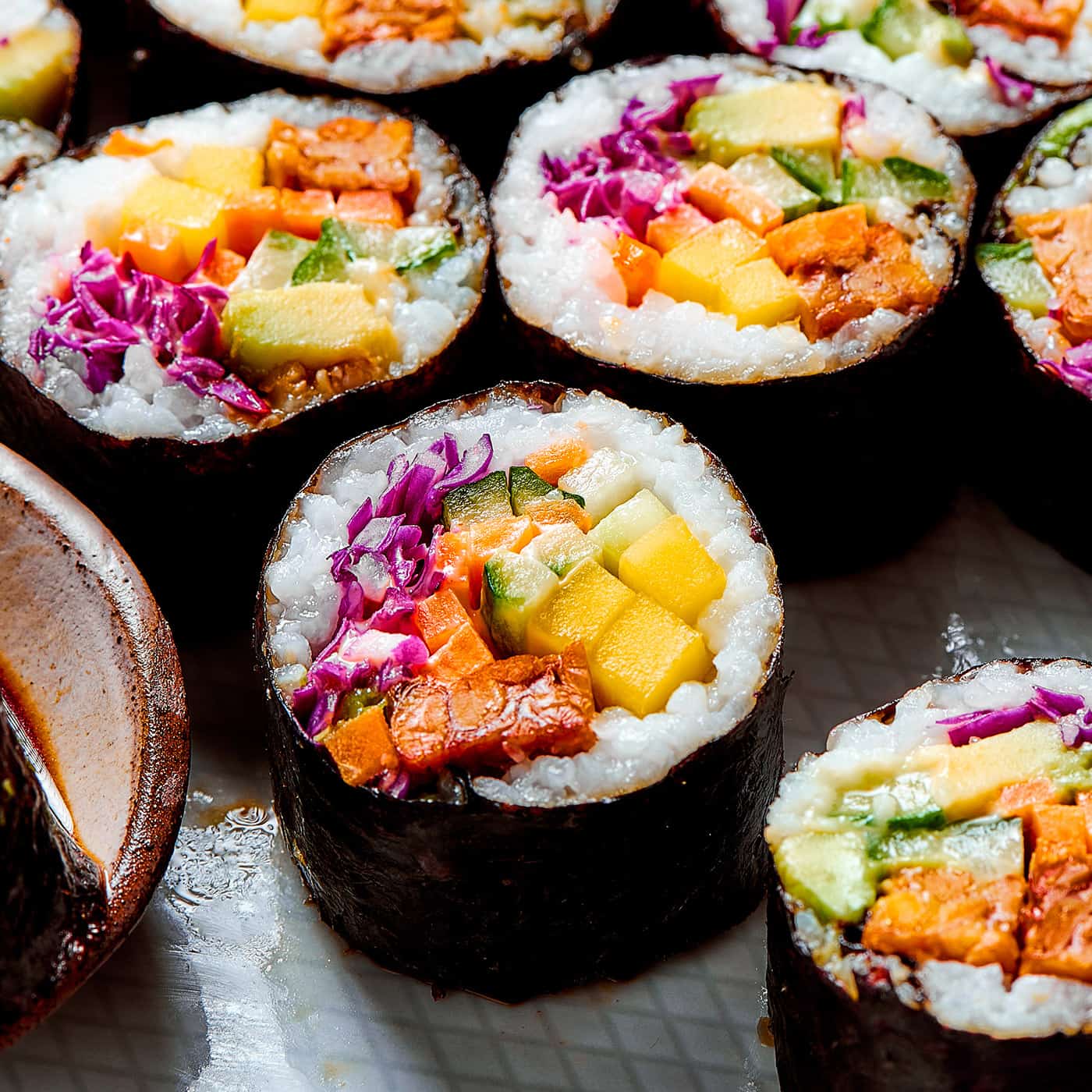
Vegan maki rolls offer endless possibilities beyond the classic cucumber and avocado combination. Pickled daikon radish provides a delightful crunch and a slightly tangy flavor. Roasted sweet potato adds a sweetness and creamy texture that pairs well with spicy sauces. Mango brings a tropical twist, while asparagus and bell peppers offer vibrant colors and fresh flavors.
Balancing flavors and textures is key to a successful maki roll. Consider contrasting crunchy elements with soft ones, and sweet flavors with savory ones. A roll with pickled daikon, avocado, and a drizzle of sriracha mayo is a great example. Don't be afraid to experiment with different combinations. I find a little yuzu zest brightens up almost any veggie roll.
Different rolling techniques can add visual appeal and textural interest. Inside-out rolls (uramakis), with the rice on the outside, are a popular choice. Temaki, hand-rolled cones, offer a more casual and rustic presentation. Mastering the art of rolling takes practice, but it’s a rewarding skill. A bamboo rolling mat is essential.
Seasoned sushi rice is the foundation of any good maki roll. The rice should be slightly sticky but not mushy. A proper seasoning blend of rice vinegar, sugar, and salt is crucial for achieving the right flavor balance. The quality of the rice itself also matters – short-grain Japanese rice is the preferred choice for sushi.
Sashimi Style: Achieving the Texture Illusion
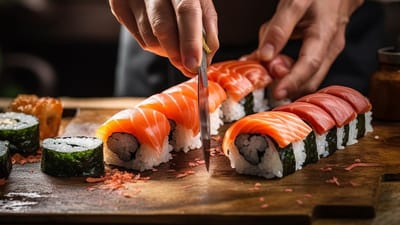
Replicating the delicate texture of sashimi with plant-based ingredients is arguably the most challenging aspect of vegan sushi. Thinly slicing firm tofu is a good starting point, but it requires a very sharp knife and careful technique. Konjac jelly, with its naturally firm and slightly chewy texture, can also be used, although it requires skillful preparation to absorb flavors.
Creating 'fish' from carrot ribbons is a surprisingly effective technique. Using a vegetable peeler, create long, thin ribbons of carrot and marinate them in a flavorful sauce. This can mimic the appearance and texture of salmon. This is where presentation really matters – a beautiful garnish can make all the difference.
Another approach is to use thinly sliced and marinated portobello mushrooms. The key is to remove the gills and marinate the mushroom cap in a mixture of soy sauce, mirin, and ginger. This will soften the mushroom and infuse it with flavor. Don't overmarinate, or the mushroom will become too soggy.
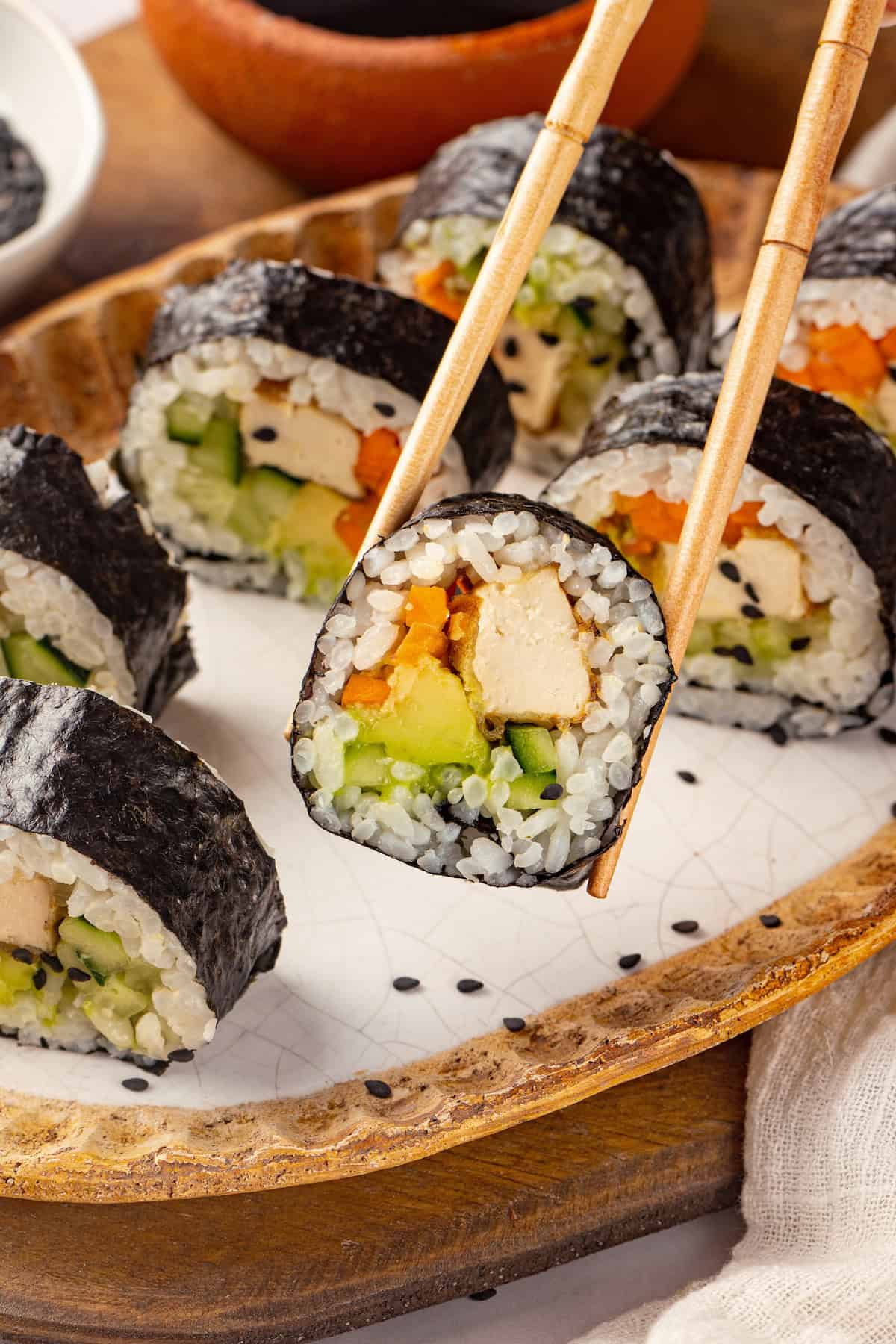
Presentation is paramount when serving plant-based sashimi. Arrange the slices artfully on a plate, and garnish with fresh herbs, edible flowers, and a delicate sauce. A sprinkle of black sesame seeds can add visual appeal and a nutty flavor. The goal is to create a dish that is both visually stunning and delicious.
Philadelphia's Vegan Sushi Scene: Top Spots in 2026
Philadelphia’s vegan sushi scene is thriving, with a growing number of restaurants offering creative and delicious plant-based options. According to Yelp data from 2026, here are ten of the best spots in the city. This list reflects user reviews and ratings as of late 2026, and is subject to change, of course.
1. Tomo Sushi & Ramen (228 Arch Street, Philadelphia, PA 19106; 267 519 0209; tomosushiandramen.com): Known for its innovative vegan rolls and ramen bowls. 2. Bleu Sushi: Offers a dedicated vegan menu with a variety of rolls and nigiri. 3. Crazy Sushi: A lively spot with a surprisingly extensive vegan selection. 4. Vic Sushi Bar: Features creative vegan options alongside traditional sushi.
5. Vedge: A renowned vegan restaurant with a sophisticated take on sushi. 6. Yokohama Japanese Restaurant: Offers customizable vegan rolls with a wide range of vegetable options. 7. Kei Sushi Restaurant (keisushiphilly.net): Specializes in fresh vegetable sushi rolls and tofu stir-fry, with vegan and gluten-free options. 8. Musashi Sushi: A local favorite with a growing vegan following.
9. Love Suhi: A casual spot with affordable and tasty vegan sushi. 10. Sampan: Offers a fusion menu with several delicious vegan sushi options. Price ranges vary, but most of these restaurants offer options for all budgets. I’m curious to see how the scene has evolved since my last visit, and I’m planning a trip to try a few new spots.
Philadelphia's Top Vegan Sushi Restaurants - 2026
| Restaurant Name | Address | Yelp Rating | Vegan Specialties | Atmosphere |
|---|---|---|---|---|
| Tomo Sushi & Ramen | 228 Arch Street, Philadelphia, PA 19106 | Highly Rated | Vegan Sushi & Ramen combinations, creative rolls | Casual |
| Bleu Sushi | Not specified in source | Highly Rated | Vegan options available | Modern, Stylish |
| Crazy Sushi | Not specified in source | Highly Rated | Vegan rolls and nigiri | Casual |
| Vic Sushi Bar | Not specified in source | Highly Rated | Vegan sushi options | Relaxed |
| Vedge | Not specified in source | Highly Rated | Innovative vegan cuisine, including sushi-inspired dishes | Upscale |
| Yokohama Japanese Restaurant | Not specified in source | Not specified in source | Vegetarian and vegan sushi options | Traditional |
Illustrative comparison based on the article research brief. Verify current pricing, limits, and product details in the official docs before relying on it.
DIY vs. Dining Out: Cost & Convenience
Making plant-based sushi at home can be a rewarding experience, but it’s important to consider the cost and time commitment. Dining out offers convenience, but it comes at a premium. Let's break down the costs. A basic sushi roll kit, including rice, nori, and a bamboo mat, typically costs around $20-$30.
The cost of ingredients for a few rolls can range from $10-$20, depending on the fillings you choose. 'Fish' alternatives, like marinated tomatoes or king oyster mushrooms, will add to the cost. A restaurant roll, on the other hand, can easily cost $8-$15 or more. Ordering a full meal for two at a sushi restaurant can easily exceed $60.
The time commitment for making sushi at home is significant. Preparing the rice, marinating the vegetables, and rolling the sushi can take an hour or more. Dining out, of course, saves you time and effort. However, making your own sushi allows you to customize the ingredients and flavors to your liking. I think for beginners, starting with a few simple rolls at home is a great way to learn.
Ultimately, the best option depends on your individual preferences and priorities. If you’re short on time or prefer a hassle-free experience, dining out is the way to go. If you enjoy cooking and want to save money, making sushi at home is a great choice. There's a real satisfaction in creating something delicious with your own hands.
Sourcing Sustainable Ingredients
Sourcing sustainable ingredients is crucial for minimizing the environmental impact of your plant-based sushi. Opt for organic vegetables whenever possible, to support farming practices that prioritize soil health and biodiversity. Look for rice that is grown using water-efficient methods and supports fair labor practices.
Ethical seaweed harvesting is also important. Some seaweed farms can disrupt marine ecosystems, so look for suppliers that use sustainable harvesting techniques. Consider purchasing seaweed from companies that are certified by organizations like the Marine Stewardship Council (MSC).
I believe it’s important to be mindful of where our food comes from, even with plant-based options. Supporting local farmers and businesses is a great way to reduce your carbon footprint and promote a more sustainable food system. Resources like Local Harvest (localharvest.org) can help you find local suppliers.
Plant-Based Sushi Resources
- Ocean Hugs - Offers a range of plant-based seafood alternatives, including 'Tuna' and 'Salmon' made from konjac and tomato, suitable for vegan sushi.
- Plantene - Specializes in plant-based seafood, featuring options like vegan salmon and tuna alternatives crafted from konjac root, ideal for nigiri and sashimi style preparations.
- New Roots Herbal - A Canadian supplier providing agar-agar, a seaweed-derived gelatin substitute crucial for creating vegan 'caviar' or binding sushi rice.
- Rising Sun Organics - A distributor of organic and sustainably grown short-grain sushi rice, essential for authentic vegan sushi.
- Yamamotoyama - A well-established importer of Japanese ingredients, offering high-quality nori seaweed sheets for maki rolls, in various grades.
- iHerb - Carries a selection of vegan mayonnaise brands (like Vegenaise) and seasoned rice vinegar, important components for vegan sushi rolls and sauces.
- Whole Foods Market - A national retailer with a dedicated section for organic produce, providing vegetables like avocado, cucumber, and carrots commonly used in vegan sushi.
Future Trends: Innovation in Plant-Based Seafood
The field of plant-based seafood is rapidly evolving, with exciting new technologies emerging all the time. Fermentation is being used to create vegan 'fish' with remarkably realistic textures and flavors. 3D printing is also showing promise, allowing for the creation of complex shapes and structures that mimic the appearance of seafood (source: theplantbaseddiet.com).
Researchers are exploring new protein sources, such as algae and fungi, to create sustainable and nutritious 'fish' alternatives. These innovations have the potential to revolutionize the vegan sushi industry, making plant-based options even more appealing to a wider audience.
I’m excited to see what new ingredients and techniques chefs will come up with. The future of vegan sushi is bright, and I believe it has the potential to become even more mainstream as consumers continue to seek out sustainable and ethical food choices.
No comments yet. Be the first to share your thoughts!