

Get ultimate sushi right
Before you tackle nigiri or roll preparation, you need the right foundation. Making sushi at home is less about complex technique and more about respecting the ingredients. If the rice is off or the fish isn't fresh, no amount of knife skill will save the dish.
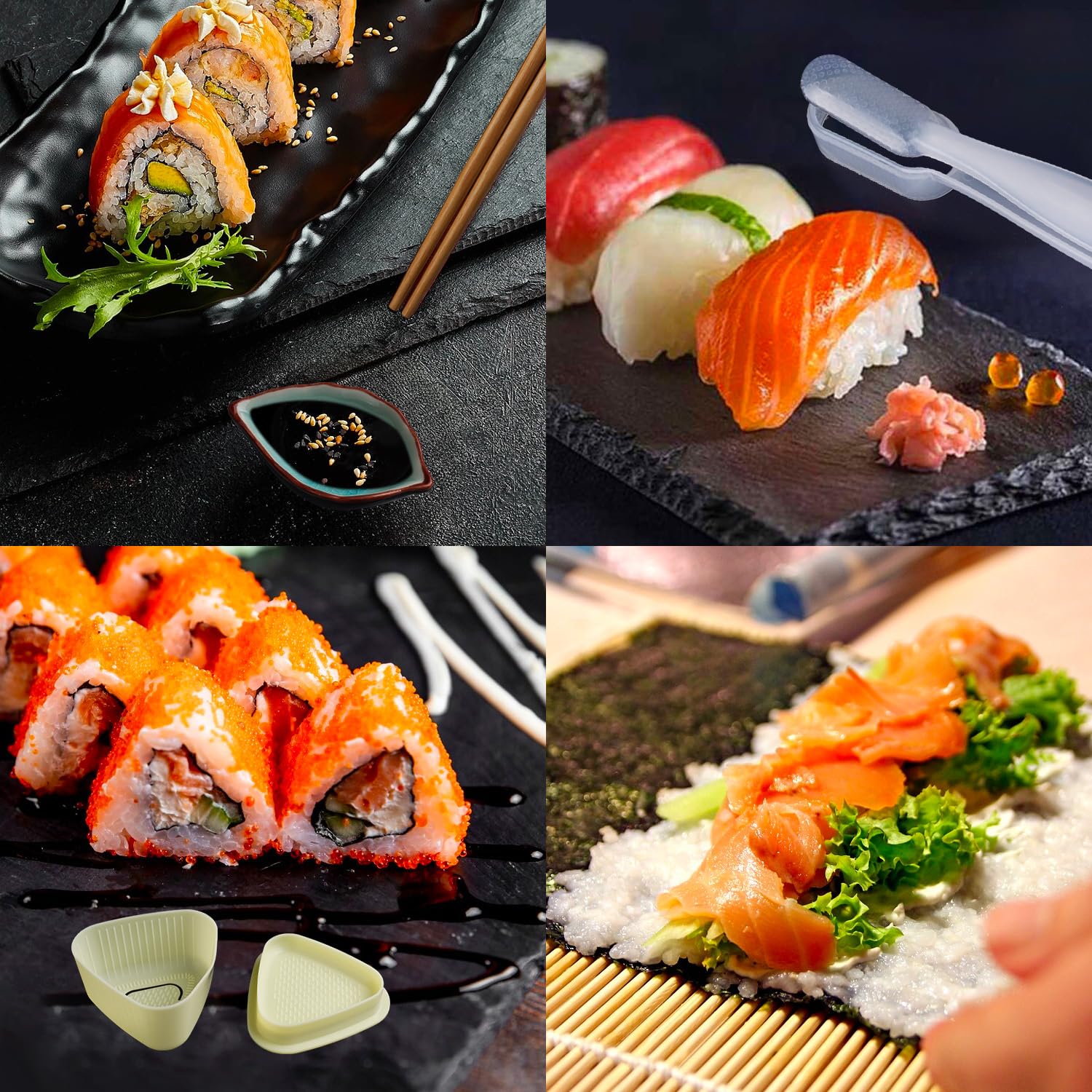
Start with your equipment. You don't need a professional kitchen, but you do need a few specific tools. A sharp yanagiba knife is ideal for slicing fish cleanly, though a good chef's knife works in a pinch. Bamboo mats (makisu) are essential for rolling, but keep them clean and dry to prevent mold. A rice cooker with a "sushi" setting makes texture management easier, but a heavy-bottomed pot works if you monitor the heat carefully.
Next, source your ingredients. The term "sushi-grade" is a marketing label, not a federal safety standard. Look for fish that has been previously frozen to -20°C (-4°F) for at least seven days to kill parasites, as recommended by the FDA. Buy from trusted fishmongers who understand sushi preparation. For the rice, short-grain Japanese varieties like Koshihikari are non-negotiable; long-grain rice will never achieve the sticky, glossy texture needed for proper nigiri.
Finally, prepare your workspace. Sushi making is fast-paced. Have all your bowls, towels, and ingredients within arm's reach before you touch the fish. A damp cloth nearby keeps your hands from sticking to the rice. If you are new to this, start with vegetable rolls to master the rice-to-filling ratio before attempting raw fish.
Work through the steps
Sushi works best as a clear sequence: define the constraint, compare the realistic options, test the tradeoff, and choose the path with the fewest hidden costs. That order keeps the advice usable instead of decorative. After each step, pause long enough to check whether the recommendation still fits the reader's actual situation. If it depends on perfect timing, unusual access, or a best-case budget, include a simpler fallback.
-
Verify the sellerCheck reputation, included details, delivery terms, and return policy before treating the listing as credible.
-
Compare total costAdd shipping, accessories, maintenance, warranty, and likely replacement costs to the listed price.
-
Confirm fitMatch the option to the real use case before paying for features that will not matter.
Mistakes to Avoid When Buying and Preparing Sushi
Even with high-quality ingredients, common handling errors can ruin the texture and safety of your sushi. Most home cooks unknowingly compromise the final dish by skipping critical temperature checks or misinterpreting freshness indicators.
Ignoring the "Sashimi-Grade" Label "Sushi-grade" is not a regulated term in the United States. The FDA only officially recognizes "sashimi-grade" as a market term indicating the fish is safe to eat raw. If a supplier doesn't explicitly state the fish has been flash-frozen to -4°F (-20°C) for at least seven days to kill parasites, treat it as cooking-only fish. Always verify the freezing protocol before purchasing.
Using the Wrong Knife Slicing through fish with a standard kitchen knife crushes the delicate muscle fibers, resulting in a mushy texture rather than a clean cut. You need a very sharp, long blade, such as a yanagiba, to pull the knife through in one smooth motion. If you must use a Western chef's knife, ensure it is honed to a razor edge and use a gentle sawing motion without pressing down.
Serving Fish at Room Temperature While some traditional sushi bars serve certain fish at ambient temperature, home environments are rarely controlled enough to maintain safety standards. Bacteria multiply rapidly between 40°F and 140°F. Keep your fish chilled until the moment it touches the rice, and serve it immediately. Never leave prepared nigiri or sashimi out for more than two hours.
Overworking the Rice The rice, or shari, is the foundation of nigiri. If you stir the rice too vigorously after adding the vinegar seasoning, the grains will break and become a sticky paste rather than remaining distinct and glossy. Use a cutting motion with a rice paddle (shamoji) to mix and fan the rice until it cools to body temperature, preserving the individual grain structure.
Ultimate sushi: what to check next
Helpful gear
Use these product recommendations as a starting point, then choose the size, material, and price point that fit how you actually use the gear.

As an Amazon Associate, we may earn from qualifying purchases.
Work through Sushi
No comments yet. Be the first to share your thoughts!